




Polyethylene Terephthalate (PET) stands out as one of the most versatile and widely used plastics in packaging and textiles. Its lightweight nature, durability, and clarity make it a preferred material in numerous industries. However, as the demand for PET products continues to grow, so does the importance of establishing sustainable practices for its reuse. recycle PET not only conserves resources but also enables the production of high-quality resin that meets the performance standards of virgin materials.
Understanding PET Recycling and Resin Recovery
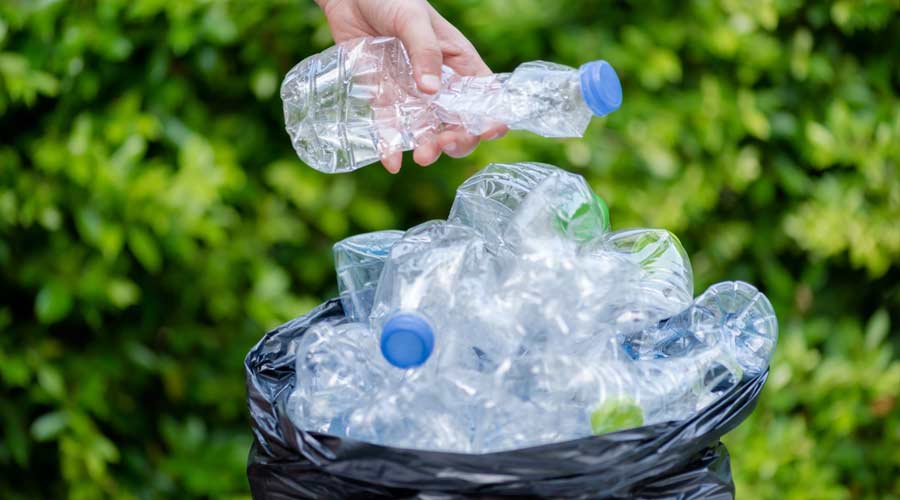
Recycling PET involves collecting post-consumer or post-industrial PET products, cleaning and processing them, and converting the material into recycled PET (rPET) resin. This resin can then be used in the manufacturing of new products, effectively closing the loop in the material’s lifecycle. A key focus in this process is maintaining the quality of the recycled resin to ensure it is suitable for applications such as food and beverage containers, textile fibers, and thermoformed packaging.
The integrity of rPET depends on the efficiency of the recycling process. Advanced sorting, washing, and extrusion technologies are employed to remove impurities and contaminants that could compromise the resin’s quality. When properly processed, recycled PET resin can offer excellent mechanical properties, including strength, flexibility, and clarity—comparable to virgin resin.
Benefits of Reusing PET Resin
Reusing PET resin delivers both environmental and economic advantages. From an environmental standpoint, recycling PET reduces the demand for raw petrochemical resources, lowers greenhouse gas emissions, and minimizes the volume of plastic waste entering landfills and oceans. Each ton of recycled PET resin can significantly reduce carbon emissions compared to virgin plastic production.
Economically, using recycled resin can contribute to cost savings in production while supporting long-term resource efficiency. As markets become increasingly focused on circular economy models, companies that adopt rPET in their manufacturing processes are better positioned to meet sustainability goals and consumer expectations.
In addition to cost and sustainability benefits, rPET offers versatility in application. High-quality recycled resin can be tailored for various uses—from rigid packaging and containers to fibers and non-food applications. This flexibility allows manufacturers to innovate and expand product lines while maintaining a commitment to environmental stewardship.
Ensuring Consistent Quality
One of the main challenges in PET recycling is maintaining consistent resin quality. This requires investment in state-of-the-art recycling facilities, rigorous quality control protocols, and collaboration across the supply chain. By implementing industry best practices and utilizing modern processing equipment, recyclers can ensure that the rPET produced meets stringent safety and performance requirements.
Material traceability and certification also play an essential role in verifying the quality and origin of recycled resin. Ensuring that recycled PET is compliant with food-grade standards, where applicable, enhances its usability across critical sectors.
Conclusion
Recycling PET for quality resin reuse is a vital component of sustainable plastic management. As industries and consumers alike strive for more responsible environmental practices, the role of high-quality rPET continues to gain momentum. Through innovation, investment, and collective effort, it is possible to turn used PET into a valuable resource—supporting both the planet and the economy.

