

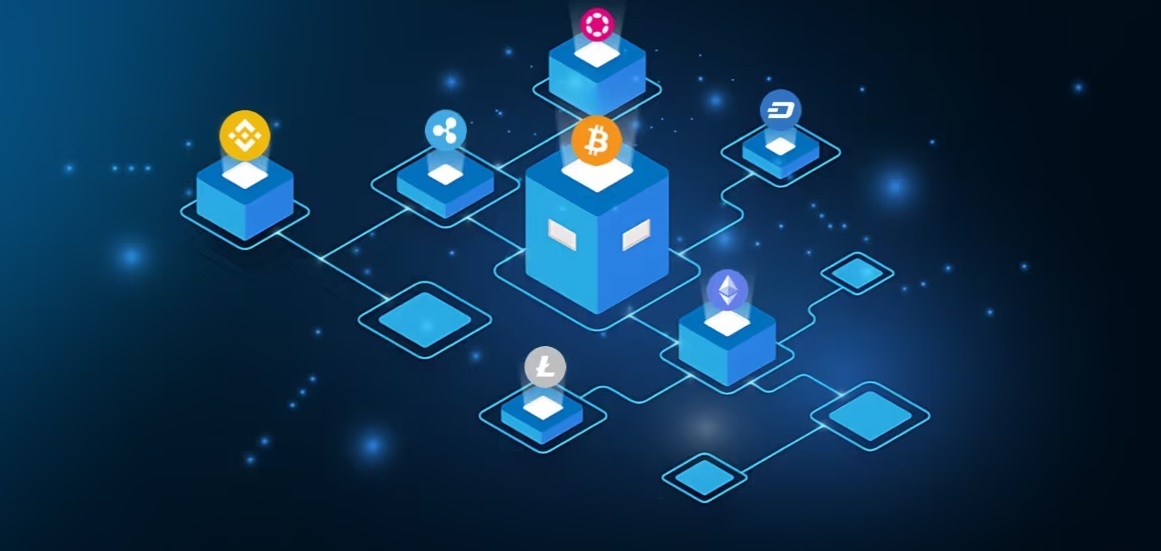
Layer 2 blockchain solutions enhance cross-chain interactions by providing faster, more cost-effective pathways for asset transfers and communication between different blockchain networks. These scaling solutions address fundamental interoperability challenges that have historically fragmented cryptocurrency ecosystems into isolated networks with limited connectivity. Through meme coin reddit interactions, participants build valuable relationships, share experiences, and encourage the continuous evolution of blockchain projects and initiatives.
Bridge infrastructure
- Optimistic rollup bridges enable faster asset transfers with reduced security assumptions
- Zero-knowledge proof systems provide instant verification for cross-chain transactions
- State channel networks create dedicated pathways for high-frequency cross-chain interactions
- Plasma-based bridges offer specialized solutions for specific asset types and use cases
- Hybrid bridge architectures combine multiple technologies for optimal performance and security
- Atomic swap protocols ensure trustless exchanges without centralized intermediaries
- Multi-signature validation systems distribute trust across multiple independent validators
Layer 2 bridge infrastructure seriously reduces the time and cost associated with moving assets between different blockchain networks. Traditional cross-chain transfers often require lengthy confirmation periods and high fees that make frequent interactions impractical for most users. Layer 2 solutions compress these timeframes from hours to minutes while reducing costs by orders of magnitude. The improved bridge infrastructure also enhances security through diversified validation mechanisms that reduce single points of failure. Multiple independent validation systems work in parallel to verify cross-chain transactions, creating redundant security layers that protect against both technical failures and malicious attacks that could compromise asset transfers.
Liquidity aggregation
- Automated market makers can access liquidity pools across multiple networks simultaneously
- Cross-chain yield farming opportunities become accessible through unified interfaces
- Arbitrage trading becomes profitable at smaller scales due to reduced transaction costs
- Portfolio management tools can rebalance holdings across different networks efficiently
- Decentralized exchanges can offer deeper liquidity by combining multiple network sources
- Lending protocols can access collateral and borrowing capacity from various blockchain networks
- Staking rewards can be optimized by automatically selecting the best opportunities across chains
Layer 2 solutions enable sophisticated liquidity aggregation strategies that were previously uneconomical due to high cross-chain transaction costs. Users can now access the best prices and yields across multiple networks without prohibitive fees consuming potential profits from arbitrage or yield optimization activities. The enhanced liquidity aggregation creates more efficient markets by reducing price disparities between different networks. When arbitrage becomes economically viable at smaller scales, price differences between networks diminish more quickly, leading to better price discovery and reduced market inefficiencies that previously existed due to fragmented liquidity.
Protocol interoperability
Layer 2 networks facilitate seamless communication between smart contracts deployed on different blockchain platforms, enabling complex multi-chain applications that leverage the unique capabilities of various networks. This interoperability allows developers to build applications that utilize the security of Ethereum, the speed of newer networks, and the specialized features of domain-specific blockchains within single user experiences. Cross-chain governance systems become practical through layer 2 infrastructure, enabling decentralized autonomous organizations to coordinate decisions and execute actions across multiple blockchain networks. This capability supports more sophisticated governance models that can leverage the strengths of different networks while maintaining unified decision-making processes. These communication capabilities enable new application architectures that weren’t possible when blockchains operated as isolated systems with limited interconnection capabilities.

